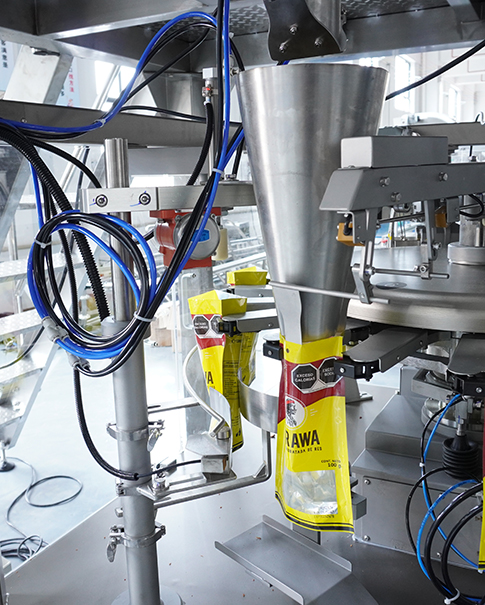

As demand for single-serve and convenient packaging continues to grow, multi-lane powder packaging machines have become a popular solution for manufacturers seeking high production output. These machines are widely used for packaging products such as coffee powder, milk powder, protein powder, seasoning powder, pharmaceutical powders, and nutritional supplements.
However, achieving maximum production speed and efficiency depends on more than simply choosing a machine with multiple lanes. Several factors can significantly influence the overall performance of a multi-lane powder packaging machine. Understanding these factors can help manufacturers optimize productivity, reduce downtime, and improve packaging quality.
1. Number of Packaging Lanes
The number of lanes is one of the most important factors affecting machine output. Generally, increasing the number of lanes allows more sachets to be produced simultaneously.
For example, an 8 lane powder packaging machine can typically achieve much higher production rates than a 4 lane powder packing machine under the same operating conditions. However, adding more lanes also requires greater precision in film tracking, dosing accuracy, and sealing synchronization.
Manufacturers should select the appropriate lane configuration based on their production requirements, available space, and budget.
2. Powder Characteristics
Not all powders behave the same during the packaging process. The physical properties of the product can directly impact filling speed and efficiency.
Key characteristics include:
• Particle size
• Bulk density
• Flowability
• Moisture content
• Tendency to clump or bridge
Free-flowing powders such as sugar or instant drink powders can be filled quickly and consistently. In contrast, fine or sticky powders may require specialized feeding systems and slower operating speeds to maintain filling accuracy.
Understanding product characteristics is essential when selecting the appropriate dosing system and machine configuration.
3. Accuracy of the Auger Filling System
Most multi lane powder packaging machines use auger fillers to measure and dispense powder products. The performance of the auger system directly affects both speed and packaging accuracy.
A well-designed auger filler ensures:
• Consistent filling weights
• Reduced product waste
• Stable operation at high speeds
• Improved packaging quality
Servo driven auger systems are often preferred because they offer precise control and fast response times, allowing the machine to maintain accuracy even during high speed production.
4. Packaging Film Quality
Packaging film plays a critical role in machine performance. Poor quality film can lead to tracking issues, sealing defects, and production interruptions.
High quality packaging film offers:
• Uniform thickness
• Stable tensile strength
• Consistent sealing properties
• Smooth machine operation
Film materials such as PET/PE, OPP/CPP, and laminated structures are commonly used for powder sachets. Selecting the right film helps reduce downtime and ensures reliable packaging performance.
5. Sealing System Performance
The sealing process must keep pace with the machine's production speed while maintaining package integrity.
Factors that influence sealing performance include:
• Sealing temperature
• Pressure settings
• Dwell time
• Film compatibility
If sealing parameters are not properly adjusted, issues such as weak seals, wrinkles, or package leakage may occur. Advanced temperature control systems help maintain stable sealing quality even during long production runs.
6. Servo Motor and Control System Technology
Modern multiline powder packing machine increasingly rely on servo driven technology and intelligent control systems.
High performance servo motors provide:
• Faster machine response
• Precise positioning
• Smooth film pulling
• Improved synchronization between machine components
Meanwhile, PLC control systems and touch screen interfaces allow operators to quickly adjust machine settings, monitor production data, and troubleshoot issues efficiently.
These technologies contribute significantly to higher overall equipment efficiency.
7. Machine Maintenance and Operator Training
Even the most advanced packaging machine cannot perform efficiently without proper maintenance and skilled operation.
Regular maintenance helps prevent:
• Unexpected breakdowns
• Component wear
• Filling inconsistencies
• Reduced production speeds
In addition, well-trained operators can quickly identify potential issues, optimize machine settings, and minimize downtime during product changeovers.
Preventive maintenance programs are often one of the most cost-effective ways to improve long-term production efficiency.
8. Environmental Conditions
Factory conditions can also affect machine performance, particularly when packaging sensitive powder products.
Factors such as temperature, humidity, and dust levels may influence powder flow characteristics and machine reliability.
Maintaining a clean and controlled production environment can help ensure stable operation, reduce contamination risks, and improve overall packaging quality.
Conclusion
The speed and efficiency of a multilane powder packing machine depend on a combination of factors, including lane configuration, powder characteristics, filling system performance, packaging materials, sealing quality, automation technology, maintenance practices, and production environment.
By carefully optimizing each of these elements, manufacturers can maximize output, improve packaging consistency and reduce operating costs. As competition continues to increase across industries, investing in the right equipment and production strategies is essential for achieving long-term success in powder packaging operations.
If you are looking for a reliable multi-lane powder packaging solution tailored to your product and production requirements, contact Jason Machinery today. Our team can help you select the ideal machine configuration to achieve higher productivity and packaging efficiency.



WhatsApp : +86 13925973625
Email : info@fsjspm.com
Tel : +86-13266347573