What Packaging Machine Is Best for Coffee Powder?
Sep 29, 2026
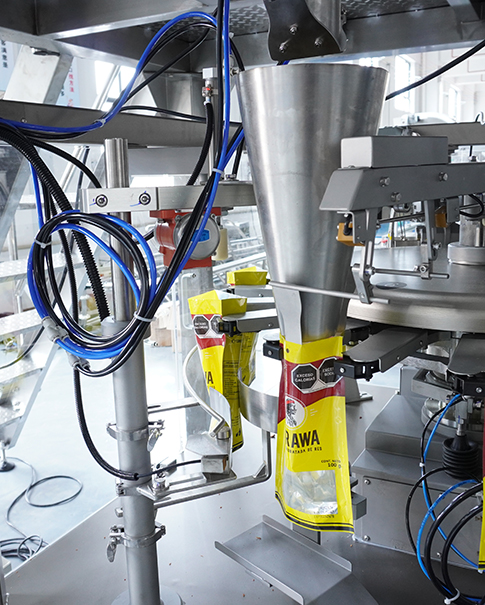
The best coffee powder packing machine depends on the coffee product and the finished package. For ground coffee in bags, a vertical form fill seal system with a suitable dosing unit is a practical option to evaluate. For instant coffee powder in individual portions, consider a stick pack or sachet machine. If those sealed packs must be grouped into retail boxes, add a separate cartoning stage.
The right choice must also suit your filling weight, packaging material, freshness requirements and production target. A machine that performs well with one coffee product may need different feeding equipment or settings for another. Testing your actual coffee and packaging materials is more useful than comparing machine names alone.
This guide explains how to compare the main options and what to verify before committing to a configuration.
Identify Your Coffee Product Before Choosing Equipment
“Coffee powder” is not a complete equipment specification. Ground coffee, instant powder and coffee granules can require different approaches to feeding and dosing.
Ground coffee
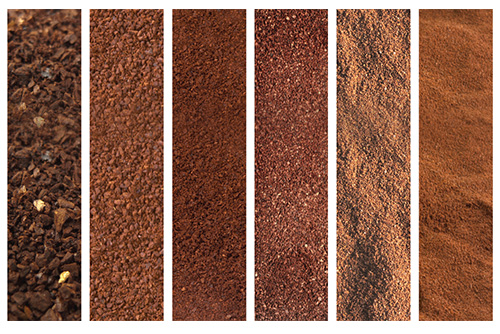
For ground coffee, record the grind, target filling weight and how the product behaves during feeding. Ask the supplier to observe whether the material flows consistently, produces dust or leaves residue around the filling area.
Freshness also needs attention. As ePac explains in its guide to coffee degassing valves, roasted coffee releases gas, and a suitable valve allows gas to escape while restricting the entry of outside air. This makes the packaging design and the time between roasting and packing relevant to equipment selection.
Instant coffee powder and blended products
For instant coffee powder, define the portion size and package format first. Then test how the actual formulation behaves in the proposed feeding and filling system.
A blend containing coffee and other ingredients should be assessed as that blend, not as pure coffee powder. Ask how the supplier will evaluate both filling consistency and the handling of the mixed product. A correct total pack weight does not, by itself, demonstrate that the ingredient proportions remain consistent.
Coffee granules
Do not assume that a machine configured for fine powder will handle coffee granules equally well. Ask for a trial that checks dosing consistency and the condition of the product after handling.
Coffee capsule
Coffee capsules are a separate packaging route. They require equipment compatible with the capsule body (cups), filling process and lid or sealing material. A bagging machine does not become a coffee capsule filling system simply because both handle ground coffee.
Match the Machine to the Finished Package
Start with the package you intend to sell. Then select the equipment needed to create, fill, seal and, where necessary, box it.
Coffee product and finished format
Equipment to evaluate
Main checks before selection
Ground coffee in bags
Vertical form fill seal system with suitable dosing equipment
Packing speed, product feeding, filling weight, bag type, sealing type and freshness provisions
Instant coffee powder in narrow stick packs
Powder stick sachet packing machine
Portion size, packing speed (performance across lanes), film handling and discharge
Coffee powder in flat sachets
Sachet packing machine configured for the required seals
Sachet dimensions, filling consistency and seal integrity
Coffee granules in small packs
Packing system with granules dosing equipment
Packing speed, feeding stability, product condition and pack weight
Ground coffee in cofffee capsules
Capsule filling and sealing machine
Capsule compatibility, cup type, dosing and lid sealing
Sealed coffee packs grouped into retail boxes
Product grouping, counting and cartoning machine
Pack arrangement, quantity per box, loading and carton closure
These are purchasing routes, not entirely separate engineering categories. Stick pack and sachet machines may also form packages from film. The important question is whether the proposed configuration produces your required package reliably.
When should you consider a vertical bagging system?
A vertical form fill seal machine is worth evaluating when your project requires bags made from a film roll, filled with coffee and sealed within the same process.
The dosing equipment is just as important as the bagger. ROVEMA’s ground coffee packaging information describes the integration of auger filling and bagging, illustrating why these functions should be assessed together.
Check the complete configuration rather than assuming that every vertical machine supports the same bag shapes or preservation features. If your chosen package is a premade pouch, ask for equipment specifically compatible with that pouch instead of assuming that a system designed for roll film will accept it.
When should you choose stick packs?
A coffee stick packing machine is a suitable candidate when the finished product is a narrow pack containing an individual portion of coffee powder.
Machines with multiple lanes should be evaluated for more than their combined output. Request filling results for each lane and observe film tracking, sealing and the way finished packs leave the machine.
If the packs will be boxed, their discharge arrangement matters. Confirm how they will be transferred, counted and grouped before choosing the upstream machine. Jason Machine’s coffee powder stick pack machine provides a relevant starting point for discussing this format.
When are flat sachets the better fit?
A coffee sachet packing machine is worth considering when your required package is a flat sachet rather than a narrow stick.
Provide the supplier with the intended dimensions and seal arrangement. Check that the proposed machine can handle the actual film and leave sufficient space for filling and sealing.
Choose the format around the product, portion and intended presentation. Do not assume that a sachet or stick is inherently better without checking how it performs in your application.
Evaluate Filling, Sealing and Freshness Together
A good package needs more than the correct amount of coffee. The filling process, seal quality and preservation approach must work together under the conditions you intend to use.
Test the dosing system with your coffee
An auger filling machine is one option for dosing coffee powder, but it should not be treated as the automatic answer for every coffee product.
Give the supplier representative material and specify your target filling weight. Request individual weight records rather than only an average. For equipment with several lanes, ask for results that identify the lane associated with each measurement.
Also agree on how the trial will cover startup, replenishment and normal production. A short demonstration under ideal conditions may not answer questions about routine operation.
The acceptance criteria should be agreed for your product and market. A general claim of high accuracy is less useful than a documented test with a stated material, target weight, sample size and measurement method.
Check seal performance with the intended film
Test the actual packaging material wherever possible. Ask the supplier to show how the machine controls the sealing process and how it prevents the product from interfering with the seal area.
Inspect the finished packs for visible issues, then use an agreed method to evaluate sealing performance. A neat seal is useful, but appearance alone is not evidence that the package provides the required protection.
Keep the test conditions with the results. This makes it easier to assess whether a later change in coffee formulation, film or operating settings needs another trial.
Separate nitrogen flushing from degassing
Nitrogen flushing and a degassing valve perform different functions.
Nitrogen flushing is used to reduce oxygen inside the package. A degassing valve allows gas to escape from coffee packaging while limiting the entry of outside air. Neither should be specified simply because it appears on a machine feature list.
For ground coffee, discuss the preservation strategy with both the equipment and packaging material suppliers. For instant coffee portions, do not automatically copy the valve arrangement used for roasted ground coffee. The ePac guide also discusses situations where a degassing valve may not be necessary.
If your project sets a residual oxygen target, define how and when it will be measured. Do not treat a single oxygen measurement as proof of the complete shelf life. The finished product and package need a validation approach appropriate to their storage and distribution conditions.
Make cleaning part of the comparison
Ask the supplier to demonstrate access to the parts that contact coffee, the removal of residual product and the recommended cleaning procedure.
If you plan to run several formulations, include product changeover in the assessment. Confirm the materials and cleaning requirements from equipment documentation rather than making assumptions from the machine’s appearance.
Plan the Complete Line Around Saleable Output
The fastest individual machine is not necessarily the best choice for your line. Define the required output in the same units across the project, such as finished bags or completed retail boxes over a stated period.
For boxed coffee portions, specify the number of packs per box and their arrangement. Then check whether the feeding, grouping and cartoning stages can support the upstream packaging process.
Ask suppliers to distinguish between operations the equipment performs automatically and tasks that still require an operator. These may include product presentation, carton replenishment, film changes and recovery after a stop.
The proposed layout should also show conveyors, access for cleaning, space for maintenance and material replenishment. Comparing only the dimensions of the main machine leaves important installation requirements unanswered.
During a demonstration, record acceptable finished output, interruptions, rejected packs and operator involvement. This gives you a more useful basis for comparison than the highest advertised operating speed.
When Does Coffee Packaging Need a Cartoning Machine?
An automatic cartoning machine becomes relevant when sealed coffee sticks or sachets must be placed into retail cartons in a defined quantity and arrangement.
This stage is different from filling loose powder. A machine that loads sealed coffee sachets does not necessarily include the dosing system needed to fill coffee directly into a package. Cartoning is also different from placing completed retail cartons into shipping cases.
Define how the coffee packs will enter the carton
Start with actual filled pack samples and carton samples. Establish the required orientation, quantity and arrangement before choosing the loading method.
Ask the supplier to demonstrate how the system groups the packs, supports them during transfer and places them through the carton opening. Include any inserts or additional components in the trial if they are part of the finished product.
A pack that fits into a carton by hand still needs to be tested under the proposed automatic loading conditions.
Compare horizontal and vertical loading
As PMMI ProSource’s overview of cartoning equipment explains, cartoners can load products from above or from the side.
The right approach depends on the product presentation, carton opening and handling requirements. Loading direction alone does not establish which machine is faster, more compact or less expensive.
For coffee sachets, evaluate the movement of the filled packs and the clearance available during loading. Then inspect both the sachets and the finished cartons. Jason Machine’s guide to horizontal and vertical cartoning machines explains these selection factors in more detail.
Verify counting and exception handling
If the project requires a fixed quantity of packs per carton, ask how the proposed system checks that quantity and responds to an incomplete group.
Also clarify which inspection, rejection and stop functions are included in the quotation. Do not assume that every machine described as automatic includes the same controls.
Ask for Practical Evidence Before Ordering
A useful equipment trial should answer the questions that matter to your production team. Agree on the test material, packaging samples and acceptance criteria before the demonstration.
What to verify
Evidence to request
Conditions to record
Filling consistency
Individual pack weights and a summary
Product, target weight, sample size, lane and operating conditions
Seal performance
Inspection records and results from the agreed test method
Film, product condition and machine settings
Preservation features
Results from the agreed validation procedure
Measurement method, sampling conditions and target requirements
Pack counting
Quantity checks and an incomplete group demonstration
Packs per carton and inspection configuration
Product protection
Samples after transfer and cartoning
ack dimensions, carton construction and loading arrangement
Sustained production
Acceptable output, stops, rejects and operator involvement
Test duration and production conditions
Format changeover
A record of the complete changeover
Required adjustments, replacement parts and return to stable production
For a changeover demonstration, measure more than the time needed to exchange a mechanical part. Follow the process until the new format produces acceptable packages consistently.
These records also clarify the limits of the proposed solution. If a supplier has only tested one product or packaging material, ask what additional work is needed before applying the same performance claim to yours.
Compare the Full Scope of Supply and Operating Cost
Before comparing prices, make sure the quotations describe equivalent responsibilities.
Check whether each proposal includes the main machine, dosing equipment, product feeding, conveyors, grouping, cartoning and inspection. Identify optional items separately.
Then review installation, training, format parts, maintenance requirements, spare parts and the tasks that remain manual. Ask which services and components are included and which will be quoted separately.
Use your own production requirements and operating assumptions to compare the options. Avoid choosing a machine on an unsupported payback claim or assuming that more automation always means a lower total cost.
Frequently Asked Questions
1. Can the same machine pack ground coffee and instant coffee powder?
Possibly, but compatibility must be verified. The supplier needs to evaluate the actual products, filling weights, packaging materials and cleaning requirements. A shared description such as coffee powder is not enough to confirm that the same configuration will work.
2. Does all coffee powder require auger filling?
No. Auger filling is an option to evaluate, not a universal requirement. The dosing method should suit the actual material and target pack weight. Coffee granules and fine powders should be assessed separately.
3. Is nitrogen flushing mandatory for coffee packaging?
It should be selected according to the product, packaging material and preservation requirements. Define the intended result and test method before specifying the system. Do not assume that every coffee format needs the same configuration.
4. Does a degassing valve replace a good seal?
No. The valve has a specific gas management function. The rest of the package still needs suitable materials and sealing performance. Evaluate the finished package as a complete system.
5. Will adding more packaging lanes increase finished carton output?
Not necessarily. The rest of the line must be able to receive, group and carton the additional packs. Evaluate finished output and interruptions across the complete process rather than considering lane count alone.
6. Can a cartoning machine fill loose coffee powder directly into boxes?
A cartoner designed to handle sealed sachets should not be assumed to do this. Direct powder filling requires suitable dosing equipment and a compatible package construction. Confirm the intended process explicitly with the supplier.
7. What should I send a supplier before requesting a recommendation?
Provide the coffee type, target weight, required package dimensions, packaging material, production target and available layout. For cartoning, also provide filled sachet samples, carton samples, quantity per carton and the required arrangement.
Choose the Machine That Fits Your Product and Packaging Process
For ground coffee bags, start by evaluating the bagging and dosing system together. For individual instant coffee portions, compare stick pack and sachet equipment against the required package. If the finished portions need retail boxes, assess the grouping and cartoning process as a separate but connected part of the line.
The strongest purchasing decision is supported by representative samples, clear acceptance criteria and documented trials. It should explain not only what the equipment can do, but under which conditions it can do it.
If your project involves boxing coffee sticks or sachets, contact Jason Machine with filled pack samples, carton samples, the number of packs per box and your production target. Ask about the suitable loading configuration, line interfaces and trial arrangements before finalizing the equipment specification.